

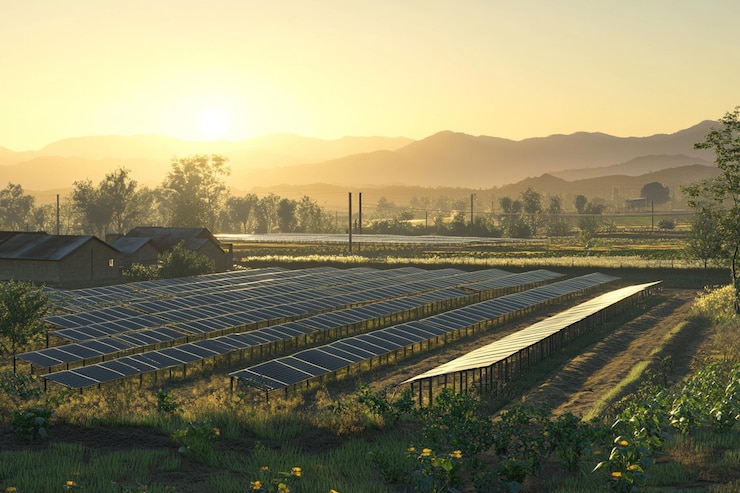
In an era where energy efficiency and sustainability have become global priorities, the solar cell stands out as one of the most revolutionary technologies of the 21st century. From powering homes and offices to fueling electric cars and satellites, solar cells have become a cornerstone of renewable energy solutions.
As concerns about climate change and rising fossil fuel costs continue to grow, more individuals, businesses, and governments are turning to solar energy as a clean, reliable, and affordable power source. This article explores what solar cells are, how they work, their advantages, challenges, and their growing impact on our planet’s energy landscape.
What Is a Solar Cell?
A solar cell, also known as a photovoltaic (PV) cell, is a device that converts sunlight directly into electricity using the photovoltaic effect. When sunlight hits the surface of a solar cell, photons from the light knock electrons loose from atoms in the material—usually silicon—creating an electric current.
When multiple solar cells are connected together, they form a solar panel, which can produce enough electricity to power everything from small gadgets to entire homes and industrial buildings.
In essence, solar cells turn the free and abundant energy of the sun into usable electricity, making them one of the most sustainable technologies available today.
How Solar Cells Work
The operation of a solar cell might seem complicated, but the process is actually quite elegant:
-
Light Absorption: The solar cell absorbs sunlight, which contains photons (light particles).
-
Electron Excitation: These photons transfer energy to electrons within the cell’s semiconductor layer, typically made of silicon.
-
Electric Current Generation: The energized electrons move through the material, creating a flow of electric current.
-
Power Conversion: This current is captured and converted by an inverter into usable electricity for homes and businesses.
Modern solar power systems can even store excess electricity in batteries, allowing energy use during nighttime or cloudy conditions.
The Benefits of Solar Cell Technology
There are many reasons why solar cells are becoming a leading source of renewable energy:
-
Environmentally Friendly
Solar energy is clean and produces no greenhouse gas emissions, reducing dependence on fossil fuels and mitigating climate change. -
Cost-Effective
While the initial investment can be high, the long-term savings on energy bills make solar energy a smart financial decision. Many countries also offer tax incentives or rebates for installing solar systems. -
Low Maintenance
Once installed, solar panels require minimal maintenance. Regular cleaning and occasional inspections are usually enough to keep them running efficiently for 25 years or more. -
Energy Independence
By producing electricity on-site, homeowners and businesses can reduce reliance on external power grids, ensuring stability during outages. -
Scalable and Versatile
Solar cell technology can be used in a wide range of applications—from small calculators and streetlights to massive solar farms and space satellites.
Types of Solar Cells
There are several kinds of solar cells, each with unique features and efficiencies:
-
Monocrystalline Solar Cells – Made from a single crystal structure, offering high efficiency and sleek appearance.
-
Polycrystalline Solar Cells – Less expensive and easier to produce, though slightly less efficient.
-
Thin-Film Solar Cells – Lightweight and flexible, ideal for portable devices or large-scale installations on roofs.
-
Perovskite Solar Cells – A newer, promising technology that offers high efficiency at a lower production cost.
Each type has its own balance between performance, price, and durability, allowing users to choose based on specific needs.
The Global Growth of Solar Energy
The global demand for solar power is rising dramatically. According to the International Renewable Energy Agency (IRENA), solar energy production has increased more than tenfold over the past decade.
Countries like China, the United States, India, and Germany are leading the way in large-scale solar energy production, investing billions of dollars into new solar farms and advanced photovoltaic technology.
In many parts of the world, the cost of solar power has now become cheaper than traditional fossil fuels. This affordability, combined with environmental urgency, is accelerating the global transition toward a cleaner energy future.
Challenges in Solar Cell Production and Use
Despite its many advantages, solar energy still faces a few challenges:
-
High Upfront Costs: The initial cost of solar panels and installation can be significant, though prices are steadily dropping.
-
Intermittency: Solar power depends on sunlight availability, which varies by time and weather. Energy storage systems like batteries are essential for stable supply.
-
Space Requirements: Large solar farms need vast land areas, which can limit installation in dense urban environments.
-
Manufacturing Impact: Producing solar panels requires energy and materials, though the environmental impact is far lower than fossil fuel alternatives.
Researchers and engineers are constantly improving solar cell efficiency, durability, and recyclability to address these challenges.
The Future of Solar Cell Technology
The future of solar cell technology looks incredibly bright. Advances in materials science, such as perovskite cells and bifacial solar panels, promise to boost efficiency while reducing costs.
Moreover, innovations like solar windows, floating solar farms, and building-integrated photovoltaics (BIPV) are expanding how and where solar energy can be harvested.
With the integration of AI-driven energy management systems and smart grids, solar energy is becoming not only sustainable but also intelligent—adapting to energy demands in real time.
By 2050, experts predict that solar energy could become the world’s largest source of electricity, providing clean, affordable power for billions of people.
Conclusion
The solar cell represents a beacon of hope in our journey toward a sustainable and carbon-free future. It harnesses the endless energy of the sun, turning light into power that drives our homes, industries, and technologies.
As innovation continues to improve efficiency and reduce costs, solar energy is becoming accessible to everyone—from city skyscrapers to rural villages. Investing in solar power today is not only a smart financial choice but also a powerful commitment to the planet.
The future is bright—and it’s powered by the sun.