

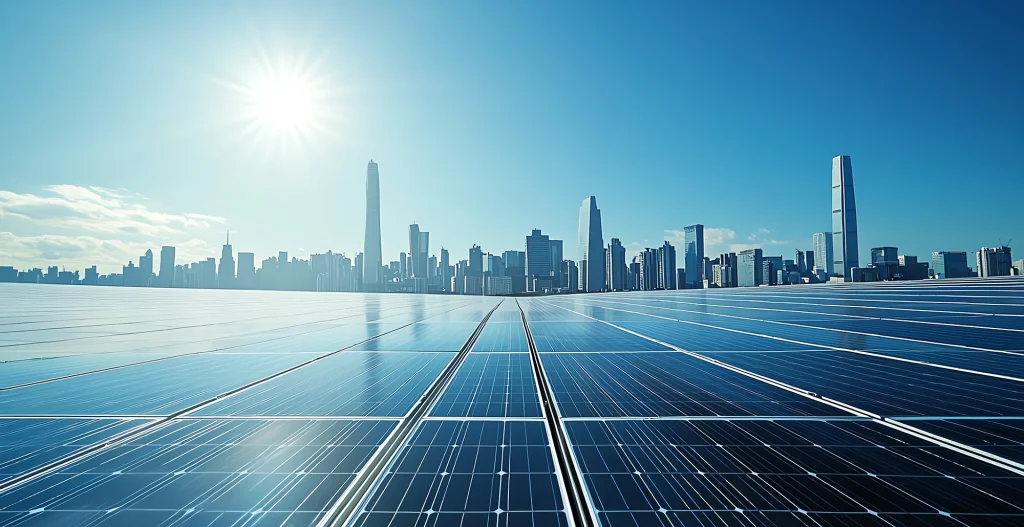
As the world faces the growing threat of climate change and the depletion of fossil fuels, renewable energy production has become one of the most essential solutions for building a sustainable future. From solar and wind power to hydro and bioenergy, renewable sources are transforming how we generate electricity and fuel our daily lives. This global shift toward clean energy is not just about protecting the environment—it’s also about creating economic opportunities, energy independence, and a better quality of life for future generations.
What Is Renewable Energy Production?
Renewable energy production refers to the generation of electricity or power from natural sources that can be replenished over time. Unlike fossil fuels such as coal, oil, and gas—which take millions of years to form—renewable sources like sunlight, wind, and water are constantly available.
The five main types of renewable energy include:
-
Solar Energy – Power generated from sunlight using solar panels or photovoltaic systems.
-
Wind Energy – Electricity produced through wind turbines that capture kinetic energy from the air.
-
Hydropower – Energy created by the movement of water, such as rivers and dams.
-
Biomass Energy – Derived from organic materials like wood, crops, and waste.
-
Geothermal Energy – Heat energy produced from the Earth’s core.
These energy sources play a crucial role in reducing carbon emissions, lowering energy costs, and enhancing sustainability.
Why Renewable Energy Production Matters
The benefits of renewable energy go far beyond environmental protection. Here are several key reasons why it’s vital for global progress:
-
Reduces Carbon Emissions
Renewable energy production drastically cuts down greenhouse gas emissions, which are responsible for global warming. According to the International Energy Agency (IEA), renewable energy could prevent billions of tons of CO₂ emissions every year. -
Promotes Energy Independence
Countries that invest in renewable energy can reduce their reliance on imported fossil fuels, leading to greater economic stability and energy security. -
Supports Economic Growth
The clean energy sector is one of the fastest-growing industries in the world. From manufacturing solar panels to maintaining wind farms, renewable energy production creates millions of jobs globally. -
Ensures Long-Term Sustainability
Since renewable sources are infinite, they provide a sustainable solution to meet the world’s growing energy needs without exhausting natural resources.
How Renewable Energy Is Produced
Let’s take a closer look at how the most common renewable energy systems work:
-
Solar Power Production:
Solar panels convert sunlight into electricity through photovoltaic (PV) cells. The generated energy can be stored in batteries or connected to the power grid. -
Wind Power Production:
Wind turbines use blades to capture the kinetic energy of moving air. When the wind turns the blades, it spins a generator that creates electricity. -
Hydropower Generation:
Flowing or falling water drives a turbine connected to a generator. This process converts the motion of water into electrical energy. -
Biomass Conversion:
Organic materials are burned or biologically processed to produce bioenergy, which can be used for heating, electricity, or even transportation fuel. -
Geothermal Power:
Steam and hot water from deep underground are used to drive turbines and generate power.
Each of these methods contributes uniquely to the global renewable energy mix, allowing flexibility and diversity in clean energy strategies.
Challenges in Renewable Energy Production
While the future of renewable energy is promising, it also faces several challenges:
-
Energy Storage Limitations – Solar and wind energy depend on weather conditions, which can cause inconsistency. Advanced battery technology is essential for stable supply.
-
High Initial Costs – Although operational costs are low, setting up renewable systems often requires significant investment.
-
Infrastructure and Grid Integration – Many regions still lack the infrastructure to integrate renewable power efficiently into existing energy grids.
-
Environmental Impact – Even renewable systems can have environmental effects, such as habitat disruption from hydropower dams or large wind farms.
Despite these challenges, innovation and investment continue to improve renewable technologies every year.
The Future of Renewable Energy
The global demand for clean energy is growing rapidly. Many countries are setting ambitious targets for renewable energy production to meet their climate goals. For example, the European Union aims to reach 42.5% renewable energy by 2030, while the United States is investing heavily in solar and wind infrastructure.
Technological innovations like AI-based energy management, smart grids, and next-generation batteries are making renewable systems more efficient than ever. Additionally, decentralized energy systems—such as rooftop solar panels and local wind turbines—empower communities to produce and control their own energy.
As renewable energy becomes more accessible and affordable, it will continue to shape the world’s economic and environmental future.
Conclusion
Renewable energy production is not just a trend—it’s a revolution in how humanity powers its existence. By shifting from fossil fuels to clean, renewable sources, we can reduce pollution, combat climate change, and ensure energy security for generations to come.
Whether it’s solar panels on rooftops, wind turbines along coastlines, or geothermal plants deep underground, renewable energy represents the pathway to a greener, more sustainable world. The future of energy is clean, renewable, and within our reach.