

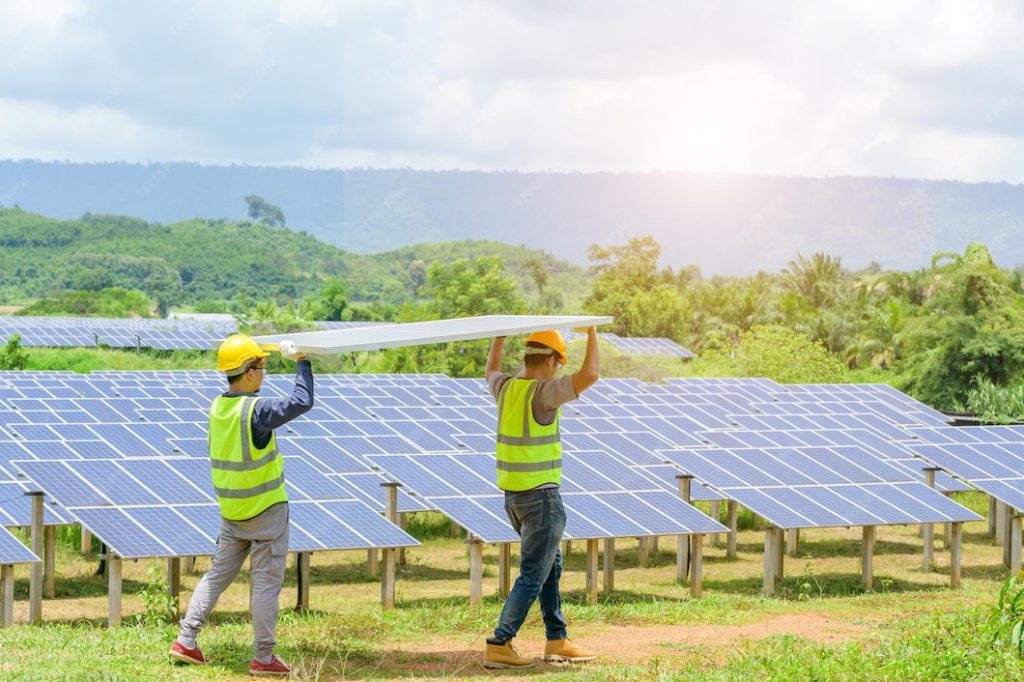
The world is moving toward a cleaner and more sustainable future, and solar solutions are at the forefront of this transformation. As climate change, pollution, and rising energy costs continue to challenge communities and businesses, solar energy has emerged as one of the most effective, affordable, and eco-friendly ways to generate power.
From small residential rooftops to massive commercial solar farms, solar power systems are helping people reduce their carbon footprint, save on electricity bills, and achieve energy independence. This article explores what solar solutions are, how they work, their benefits, and how they’re shaping the global energy landscape.
What Are Solar Solutions?
Solar solutions refer to systems, products, and technologies designed to capture and convert sunlight into usable energy. These can include:
-
Solar panels (photovoltaic systems) for generating electricity
-
Solar water heaters that use sunlight to produce hot water
-
Solar lighting systems for homes, gardens, and public areas
-
Solar batteries for storing energy
-
Hybrid solar solutions combining solar energy with other power sources for stable performance
Each of these technologies contributes to the broader goal of transitioning from fossil fuels to renewable energy sources.
How Solar Solutions Work
The core idea behind solar energy solutions is simple yet powerful — converting sunlight into electricity using photovoltaic (PV) technology.
-
Sunlight Absorption – Solar panels capture energy from the sun’s rays.
-
Electricity Generation – Photovoltaic cells convert that light into direct current (DC) electricity.
-
Conversion for Use – An inverter transforms the DC power into alternating current (AC), which can be used to power homes or businesses.
-
Energy Storage – Excess energy can be stored in solar batteries or sent back to the grid for credit.
This seamless process allows solar solutions to provide clean, renewable energy day after day, with little environmental impact.
Benefits of Solar Solutions
The growing adoption of solar power solutions is no coincidence — the advantages are compelling for both individuals and organizations.
-
Eco-Friendly Energy Source
Solar energy produces zero emissions during operation. It helps reduce global carbon footprints and supports the fight against climate change. -
Cost Savings
Although the installation cost of solar panels can be significant, long-term electricity savings often outweigh the initial investment. Many countries also offer tax credits and incentives for using renewable energy. -
Energy Independence
Solar solutions empower homeowners and businesses to generate their own electricity, reducing dependency on traditional power grids and fossil fuels. -
Low Maintenance
Solar panels require minimal maintenance. Occasional cleaning and performance checks are typically enough to keep systems running efficiently for decades. -
Scalability and Versatility
Solar systems can be customized — from small residential setups to large industrial solar farms — making them suitable for various energy needs.
Types of Solar Solutions
There’s no one-size-fits-all approach to solar power. Depending on energy needs, space, and budget, several solar solutions are available:
-
Residential Solar Systems
Designed for homes and apartments, these systems help reduce monthly energy costs and promote sustainable living. -
Commercial Solar Solutions
Ideal for offices, factories, and retail spaces — offering both cost savings and eco-friendly branding opportunities. -
Industrial Solar Power Plants
Large-scale installations that feed renewable energy into national grids or power entire facilities. -
Off-Grid Solar Systems
Perfect for remote areas or emergency backup power, combining panels with battery storage to ensure continuous electricity supply. -
Portable Solar Solutions
Compact solar generators and panels designed for outdoor activities, camping, or disaster relief situations.
The Role of Solar Solutions in Sustainability
Solar energy solutions play a crucial role in global sustainability goals. By reducing greenhouse gas emissions and decreasing reliance on finite resources, solar technology contributes directly to a greener planet.
Governments and corporations worldwide are investing heavily in solar infrastructure, aiming to achieve net-zero carbon emissions within the next few decades. For instance, the European Union, the United States, and China have all pledged to accelerate renewable energy adoption through solar power development.
Moreover, solar solutions are increasingly being integrated into smart cities — powering streetlights, charging electric vehicles, and supporting AI-managed energy systems.
Challenges in Solar Energy Adoption
Despite rapid growth, the solar energy industry still faces several challenges:
-
High Initial Costs: While prices are falling, installation and setup costs remain a barrier for some households.
-
Energy Storage: Solar power depends on sunlight, so advanced battery systems are needed to store energy for nighttime use.
-
Space Limitations: Urban areas with limited roof space may struggle to install large systems.
-
Recycling of Old Panels: Proper disposal or recycling of solar panels is an emerging concern as early systems reach the end of their lifespan.
However, continuous technological innovation — including more efficient solar cells and affordable battery storage — is steadily overcoming these issues.
The Future of Solar Solutions
The future of solar solutions is incredibly promising. New technologies like bifacial solar panels, perovskite solar cells, and floating solar farms are making solar energy more efficient and accessible.
Additionally, the combination of AI-powered energy management, smart grids, and blockchain-based energy trading is transforming how solar energy is distributed and consumed.
As prices continue to drop and efficiency increases, experts predict that solar energy will soon become the dominant power source globally. In fact, solar is projected to account for over one-third of the world’s electricity by 2050.
Conclusion
The rise of solar solutions marks a defining moment in the global transition to clean energy. They not only offer a way to reduce costs and emissions but also empower individuals, communities, and businesses to take control of their energy future.
From rooftop panels to large-scale solar farms, solar energy is leading the charge toward a sustainable, low-carbon world. By investing in solar solutions today, we are quite literally investing in a brighter, cleaner tomorrow.